January: Raisins (multicolor)
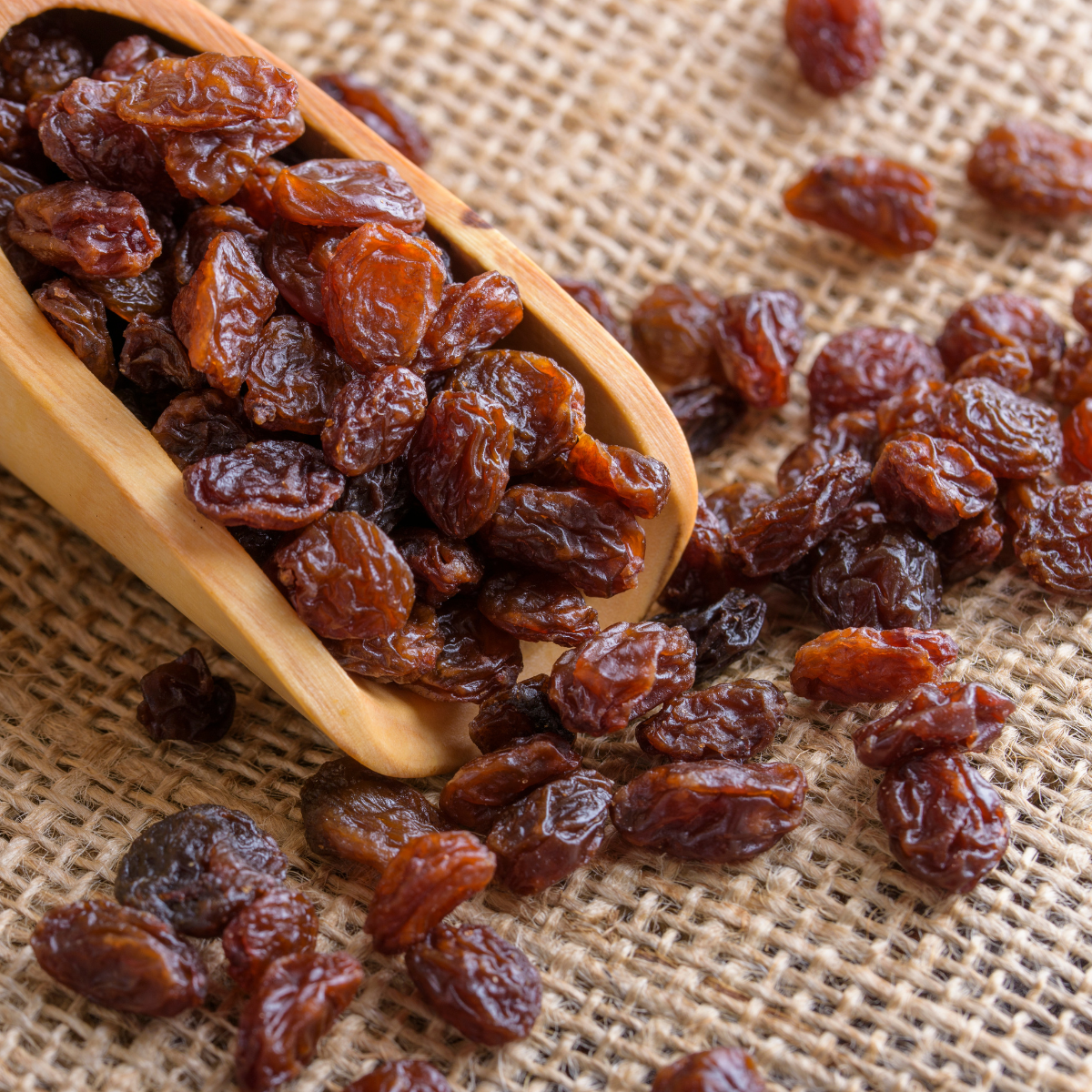
Multicolor raisins are a fun way to mix up your snacking and baking. Behind their vibrant looks are surprising secrets—like how identical green grapes can become different colored raisins depending on exactly how they are dried!
Did you know…
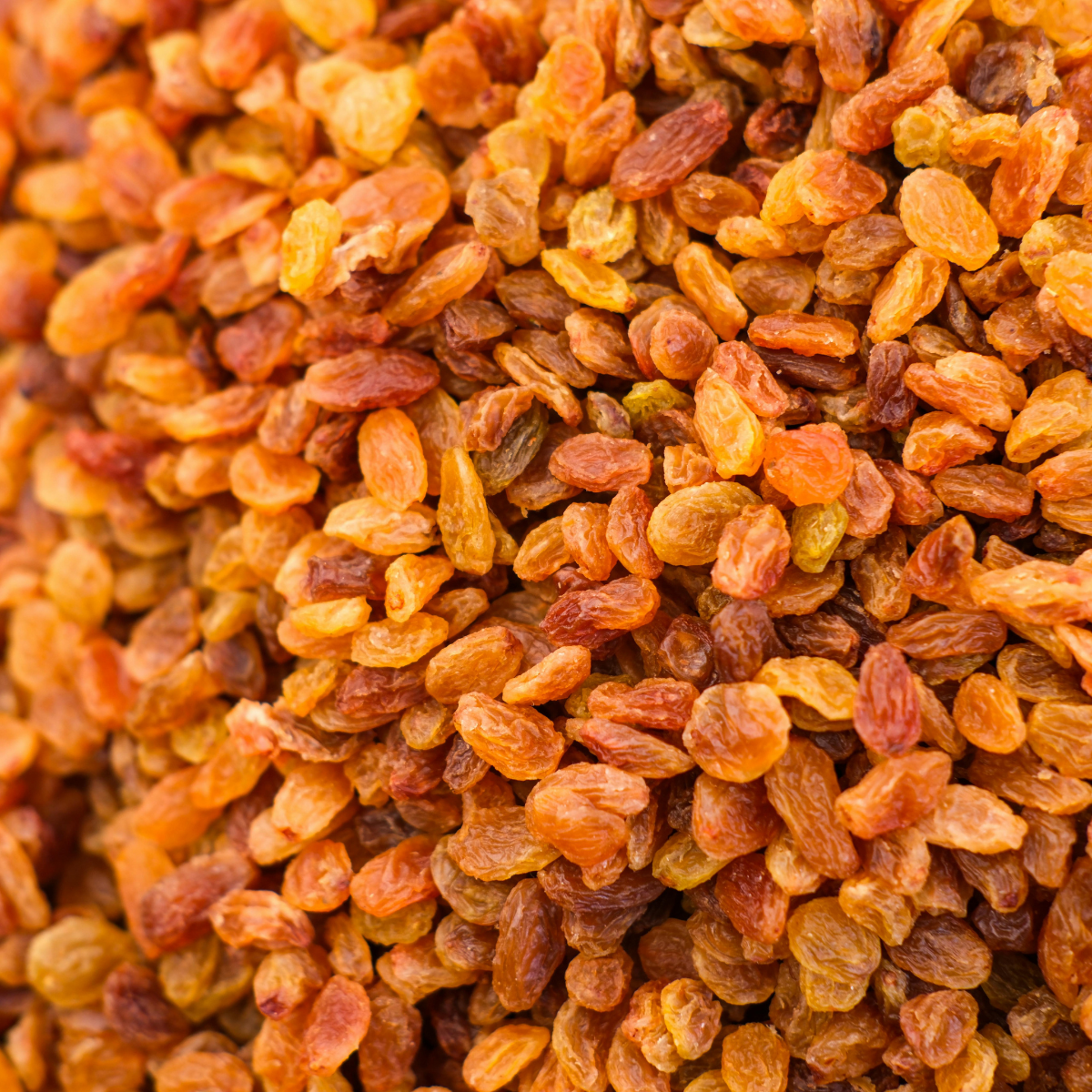
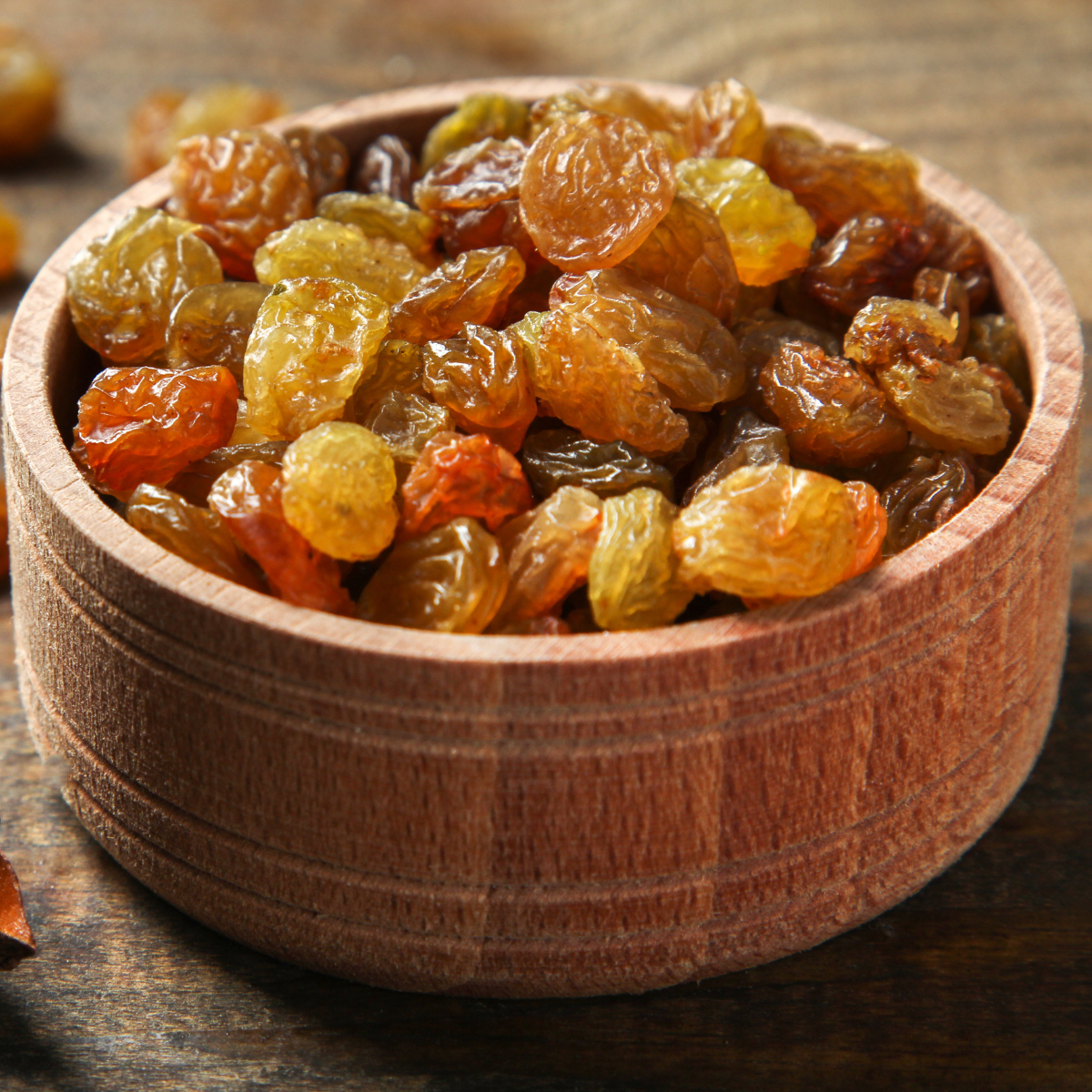
There are 6 different types of raisins: There are two types of black raisins (most common), gold raisins, red raisins, green raisins, and munakka raisins!
Believe it or not, classic dark brown and bright golden raisins are usually made from the exact same green Thompson Seedless grapes. Standard raisins bake in the sun for about three weeks, while golden raisins get pampered in a dehydrator and treated with sulfur dioxide to lock in their bright color!
Nutrition Focus
Raisins are full of antioxidants and Iron.
Antioxidants help protect your brain and body from disease.
How Raisins Grow
Raisins grow as grapes on a vine! When these grapes ripen, they are harvested and dehydrated-either by the sun , in a machine, or while still attached to the vine. This causes them to shrink, wrinkle and sweeten into raisins.
Cooking with Raisins
Raisins can be used in lots of foods! Cookies, breads, salads and more!
You can make your own raisins at home! Preheat your oven to 225. Spread your grapes on a cookie sheet with parchment paper and cook for 4-6 hours. Turn occasionally.
Pasas de colores
Las pasas de colores son una manera divertida de darle variedad a tus botanas y a lo que horneas. Detrás de sus colores tan vivos se esconden secretos sorprendentes: ¡unas uvas verdes iguales pueden convertirse en pasas de distintos colores según la forma en que se sequen!
Sabían que…
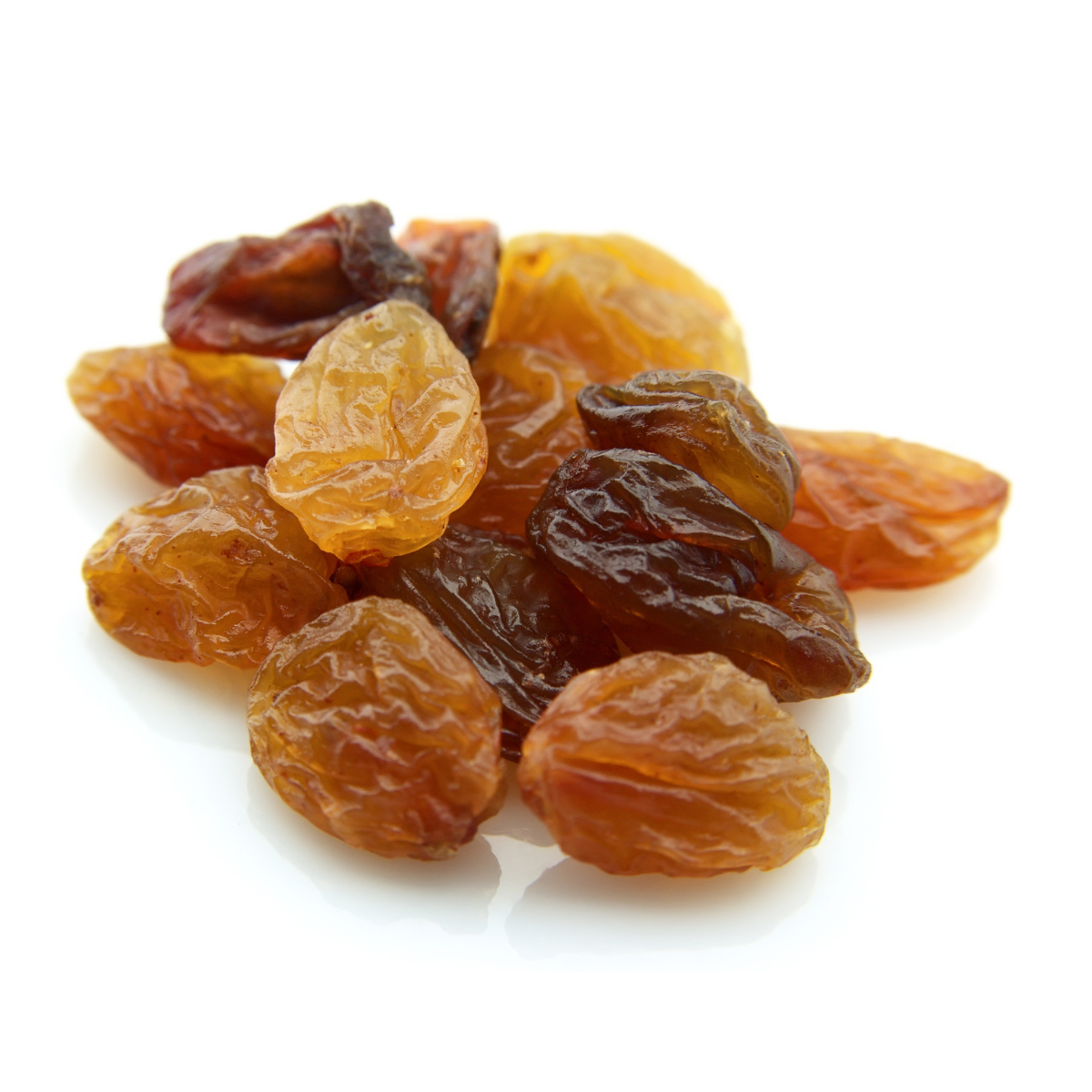
Hay 6 tipos diferentes de pasas: dos tipos de pasas negras (las más comunes), pasas doradas, pasas rojas, pasas verdes y pasas munakka.
Aunque no lo creas, las pasas clásicas color café oscuro y las doradas brillantes casi siempre vienen exactamente de la misma uva verde Thompson sin semilla. Las pasas normales se secan al sol durante unas tres semanas, mientras que a las doradas las consienten en un deshidratador y las tratan con dióxido de azufre para que no pierdan su color brillante.
Enfoque nutricional
Las pasas están llenas de antioxidantes y hierro.
Los antioxidantes ayudan a proteger tu cerebro y tu cuerpo de las enfermedades.
Cómo crecen las pasas
¡Las pasas crecen como uvas en una parra! Cuando las uvas maduran, se cosechan y se deshidratan: con el sol, en una máquina o hasta colgando todavía de la parra. Así se encogen, se arrugan y se endulzan hasta volverse pasas.
Cocinando con pasas
¡Las pasas se pueden usar en muchísimas cosas! ¡Galletas, panes, ensaladas y mucho más!
¡Y puedes hacer tus propias pasas en casa! Precalienta el horno a 225 °F (unos 107 °C). Acomoda las uvas en una charola para galletas con papel para hornear y déjalas de 4 a 6 horas. Voltéalas de vez en cuando.