
February: Parsnips
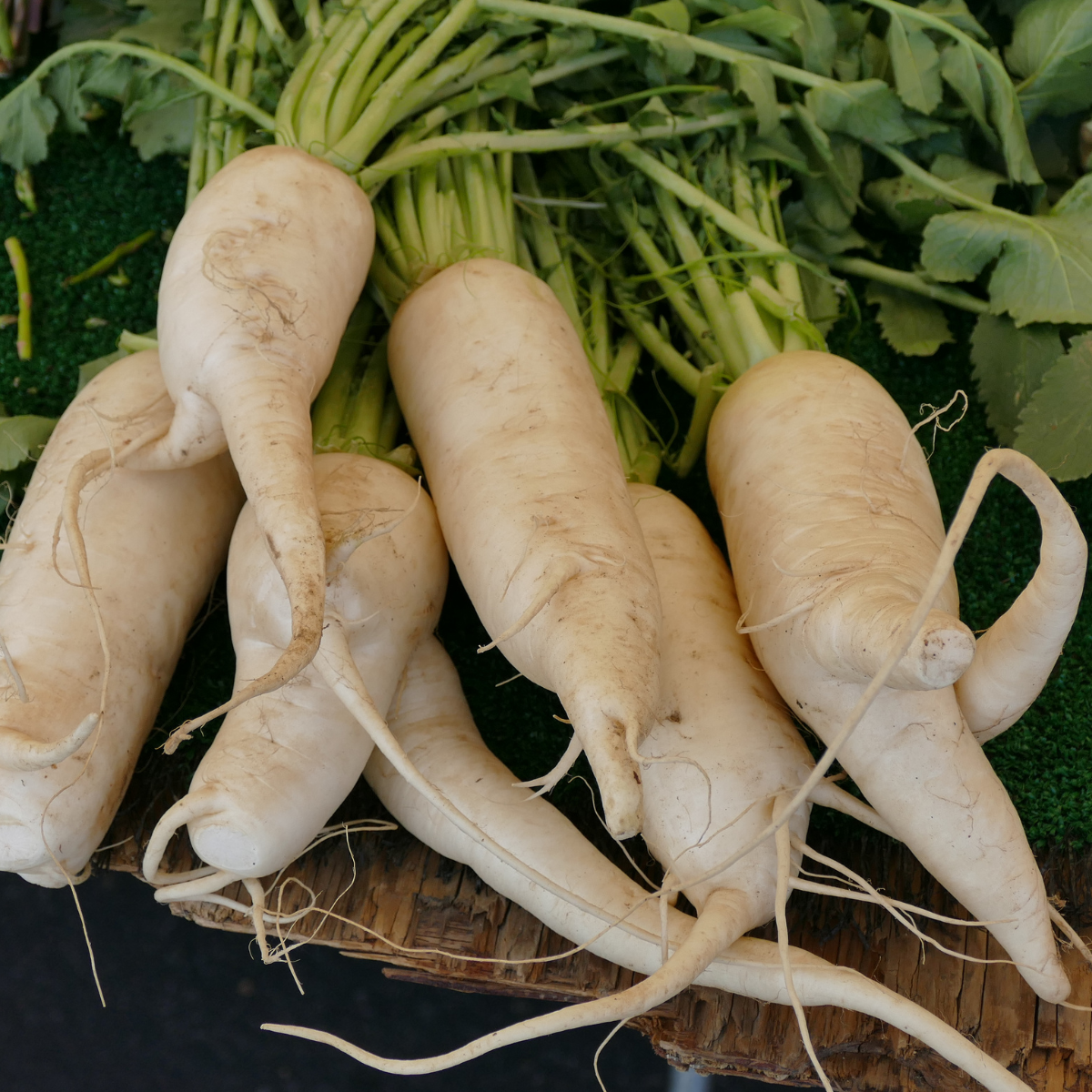
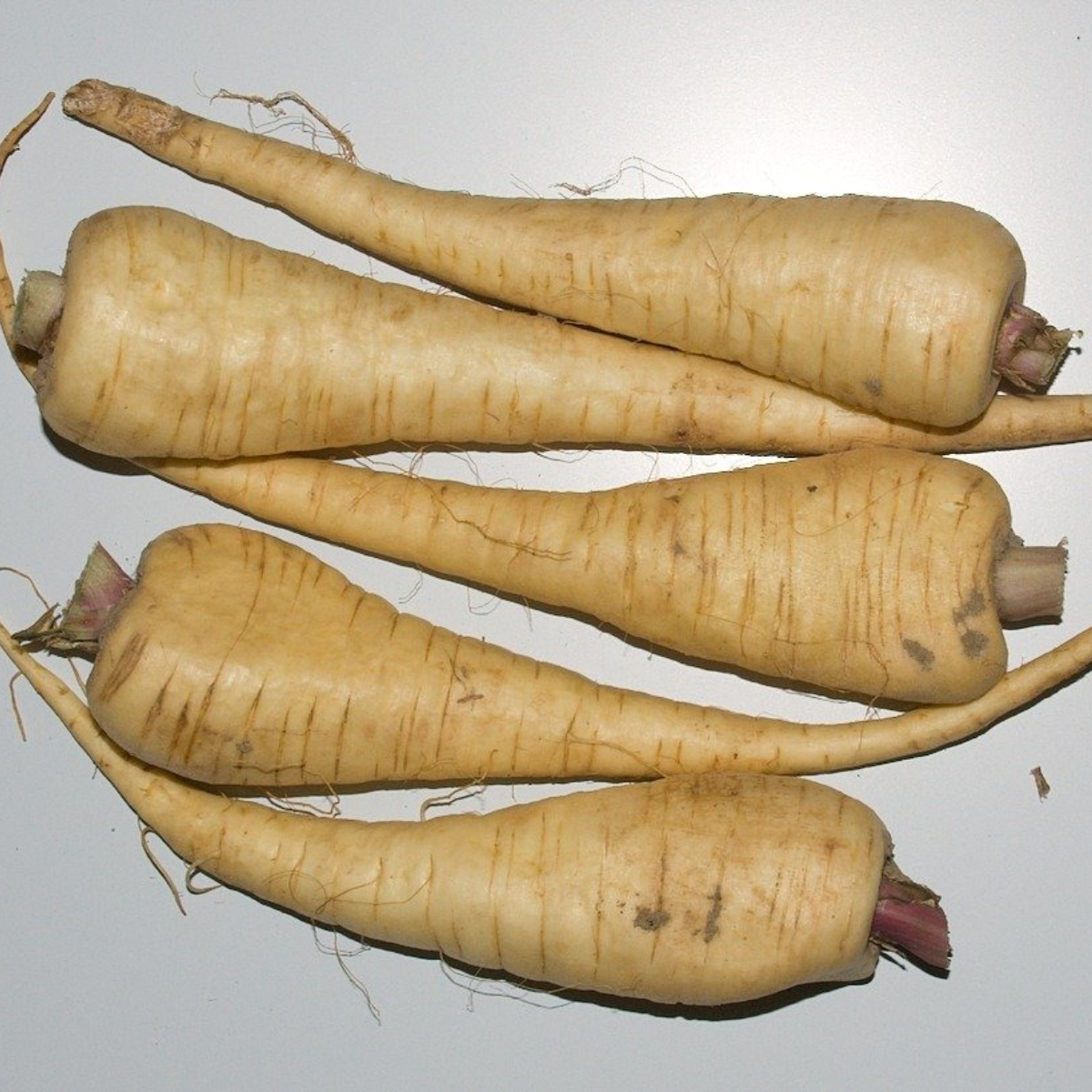
Parsnips are creamy white root vegetables that are closely related to carrots and parsley. They have a sweet, slightly nutty flavor that becomes even sweeter after being exposed to cold weather. Parsnips are harvested in the fall and winter, making them a delicious vegetable to enjoy during February. They can be roasted, mashed, baked, or added to soups and stews.
Did you know…
Parsnips have been grown and eaten for over 2,000 years!
Before sugar became common, parsnips were often used to naturally sweeten cakes and desserts.
Parsnips become sweeter after a frost because the cold changes some of their starch into natural sugar.
Nutrition Focus
Parsnips are an excellent source of fiber, which helps keep your digestive system healthy.
They are rich in Vitamin C, which helps your body fight illness and keeps your skin healthy.
Parsnips also contain potassium, which helps your muscles and heart work properly.
How Parsnips Grow
Parsnips grow underground as root vegetables. Farmers plant tiny seeds in the spring, and the roots slowly grow throughout the summer and fall. They need loose, well-drained soil so their long roots can grow straight. Parsnips are usually harvested after the first frost because the cold weather makes them sweeter and more flavorful.
Cooking with Parsnips
Las chirivías
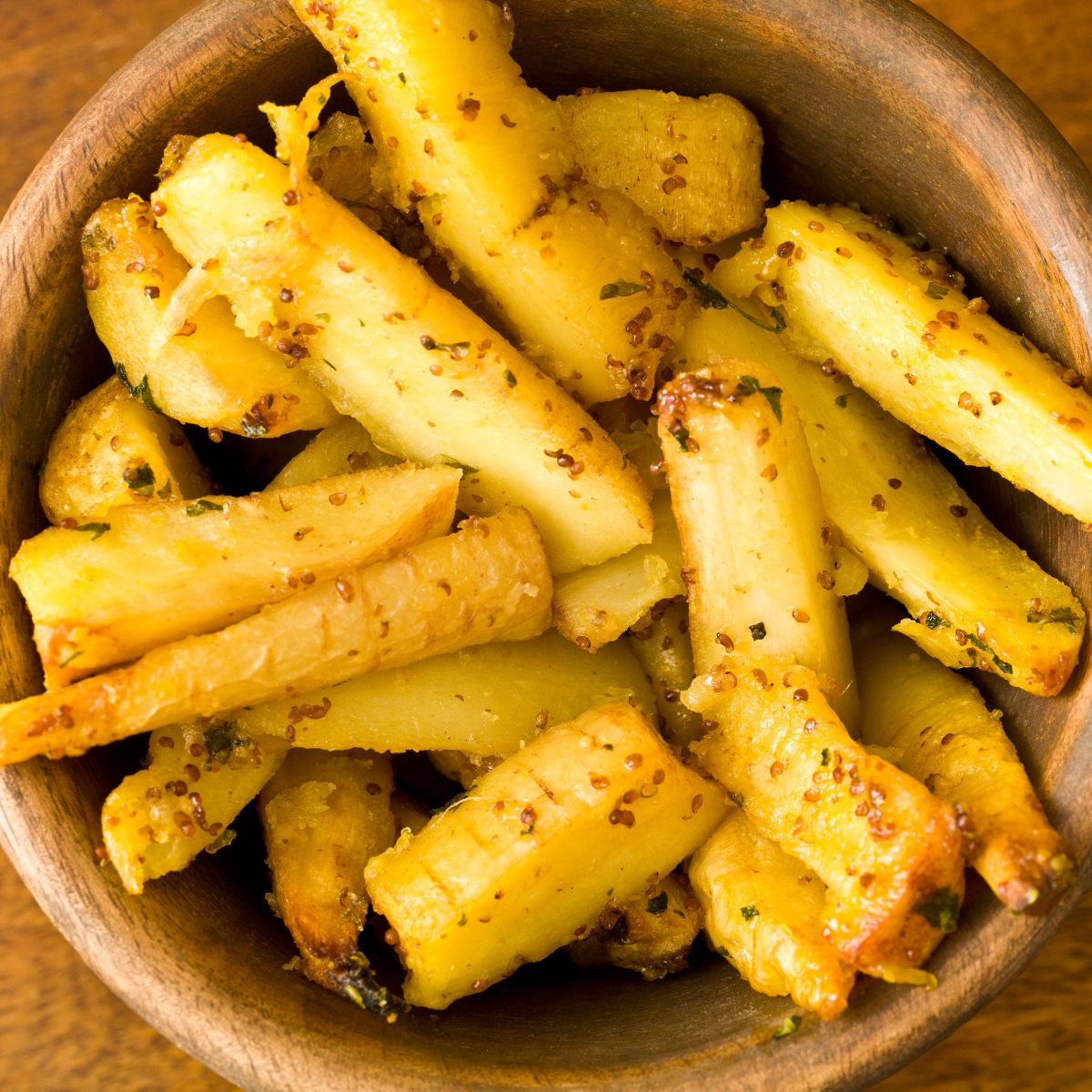
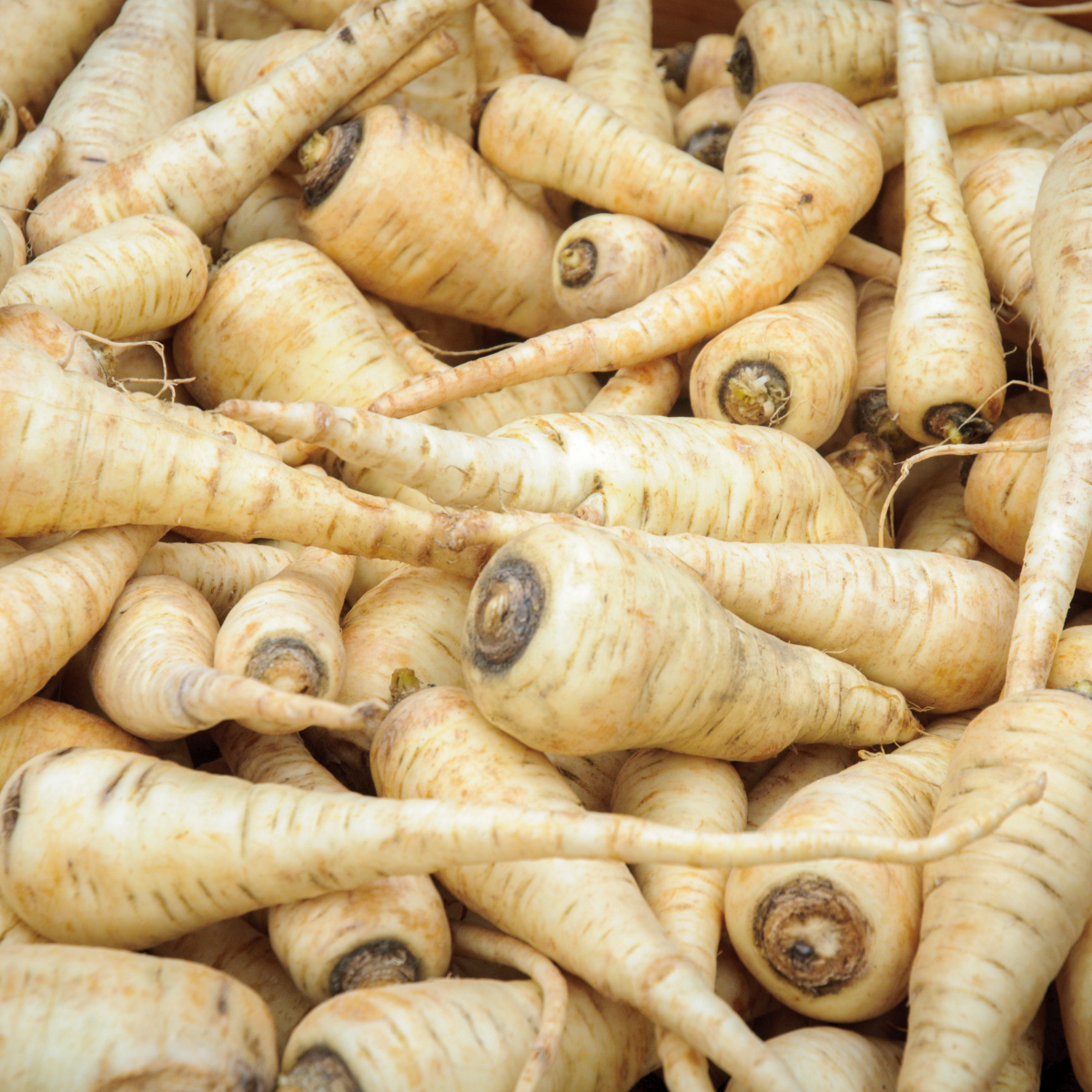
Las chirivías son vegetales de raiz de color blanco cremoso qu estan relacionadas con la zanahoria y el perejil. Tienen un sabor dulce y ligeramente a nuez, que se vuelve qun mas dulce despues de estar ex puestas al clima frio. Las chirivías se cocenchan durante el otoño y invierno, lo qu las convierte en una deliciosa verdura para disfrutar durante elmes de febrero. Se pueden asar, hacer puré, hornear o agregar a sopas y guisos.
Sabían que…
¡Las chirivías se cultivan y comen desde hace más de 2000 años!
Antes de que el azúcar se volviera común, las chirivías se usaban a menudo para endulzar pasteles y postres de forma natural.
Las chirivías se vuelven más dulces después de una helada porque el frío transforma parte de su almidón en azúcar natural.
Enfoque nutricional
Las chirivías son una excelente fuente de fibra, que ayuda a mantener saludable el sistema digestivo.
Chirivías son ricas en vitamina C, que ayuda al cuerpo a combatir enfermedades y mantiene la piel sana.
Las chirivías también contienen potasio, que ayuda a que los músculos y el corazón funcionen correctamente.
Cómo crecen los chirivías
Las chirivías crecen bajo tierra como tubérculos. Los agricultores plantan semillas diminutas en la primavera y las raíces crecen lentamente durante el verano y el otoño. Necesitan tierra suelta y bien drenada para que sus largas raíces puedan crecer rectas. Las chirivías se suelen cosechar después de la primera helada porque el clima frío las hace más dulces y sabrosas.